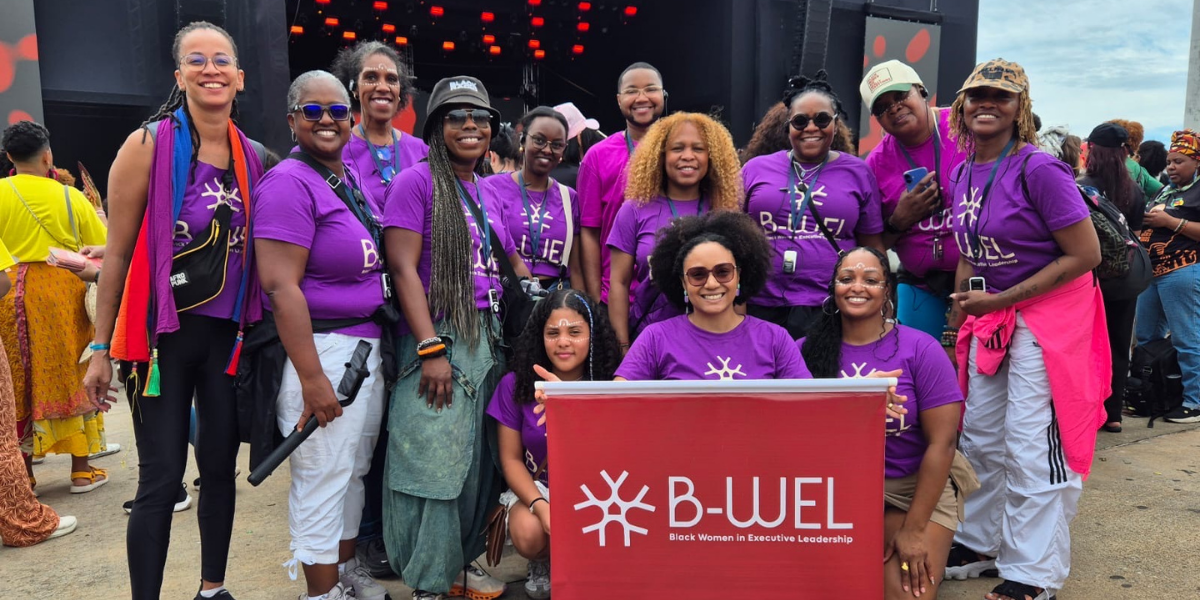
B-WEL in Brazil: Reflections from the 2025 National March of Black Women
Written By:
Jasmin Church | Co-written & Designed by Jessica Kihori
December 11, 2025
A Journey of Global Solidarity, Shared Struggle, and Black Women’s Leadership
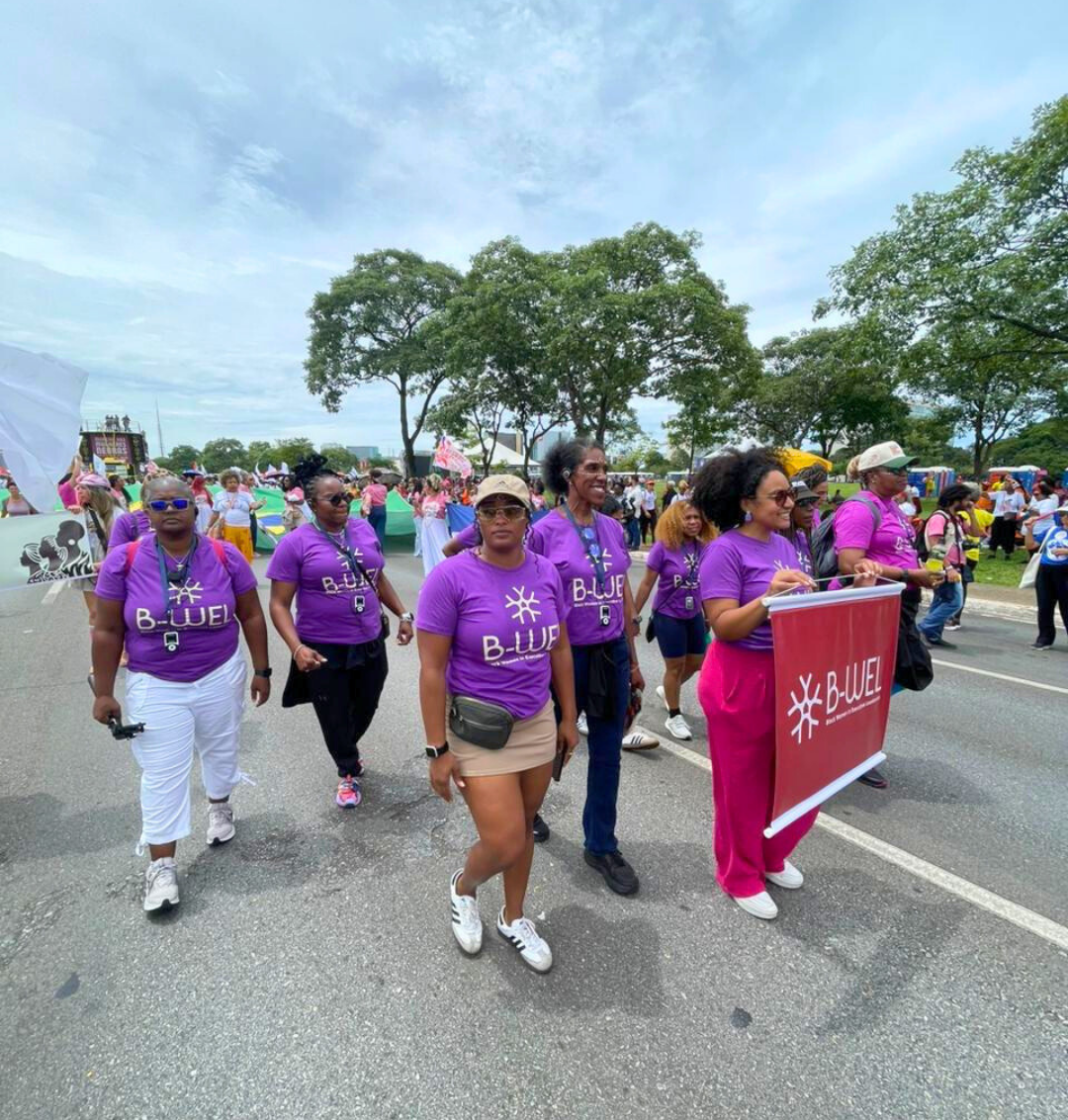
In November 2025, B-WEL joined over 300,000 Black women, girls, elders, activists, and global allies in Brasília for the 2nd National March of Black Women in Brazil. Our delegation included nearly 20 Black women leaders and partners from across the diaspora who traveled with the intention of witnessing, standing in solidarity, and learning from one of the most significant Black feminist movements in the world today.
It was historic. It was emotional. It was political.
What we experienced was powerful.
What we carried home was transformative.
Below we see the reflections and themes that emerged from the march and from our two-day debrief retreat in Alto Paraíso. These insights now shape how we understand global Black women’s organizing and continue to guide the work we do at B-WEL.
The march revealed what we already know but often need to be reminded of: Black women carry movements. We saw a level of determination that does not ask for permission and does not wait for the world to be ready.
Women traveled up to 48 hours by bus to be present. Elders who led during the 1970s were standing shoulder-to-shoulder with a new generation rising into leadership.
This resilience is not symbolic, it is strategy!

The march welcomed every expression of Black womanhood; age, spirituality, sexuality, culture, geography, and identity. It was a living example of what it looks like to hold differences without fear. We witnessed:
It made us ask ourselves: "What would this look like in our own contexts, especially in North America?"

Across borders and languages, we felt the same systems pressing on Black women’s lives: capitalism, sexism, racism, colonialism.
We talked about historical trauma, land rights in favelas, economic justice, and the need for a shared language across the diaspora.
Even when words failed, emotion and spirit carried the connection.
Delegates named the striking absence of Black men at the march. Others noticed the lack of mainstream media coverage despite the scale and political impact.
It was a reminder that Black women’s political power is often unseen, even as it shapes history.
The march demonstrated clearly: Black women have the political clarity, organizing capacity, and mobilization power needed to lead movements.
A delegate captured this beautifully:

This leadership deserves real investment, resources, funding, and long-term support.
Solidarity is not a concept, it is a practice.
Delegates named the urgency of supporting one another, building across differences and resourcing Black women’s organizing infrastructure.
The movement is powerful!
But it needs more allies, more partners, more sustained investment.
Amid struggle, the march was also filled with drumming, dancing, bright colors, and collective celebration. Joy became a political force.
A reminder that Black women are building futures rooted not only in survival but in imagination, spirit, and full humanity.
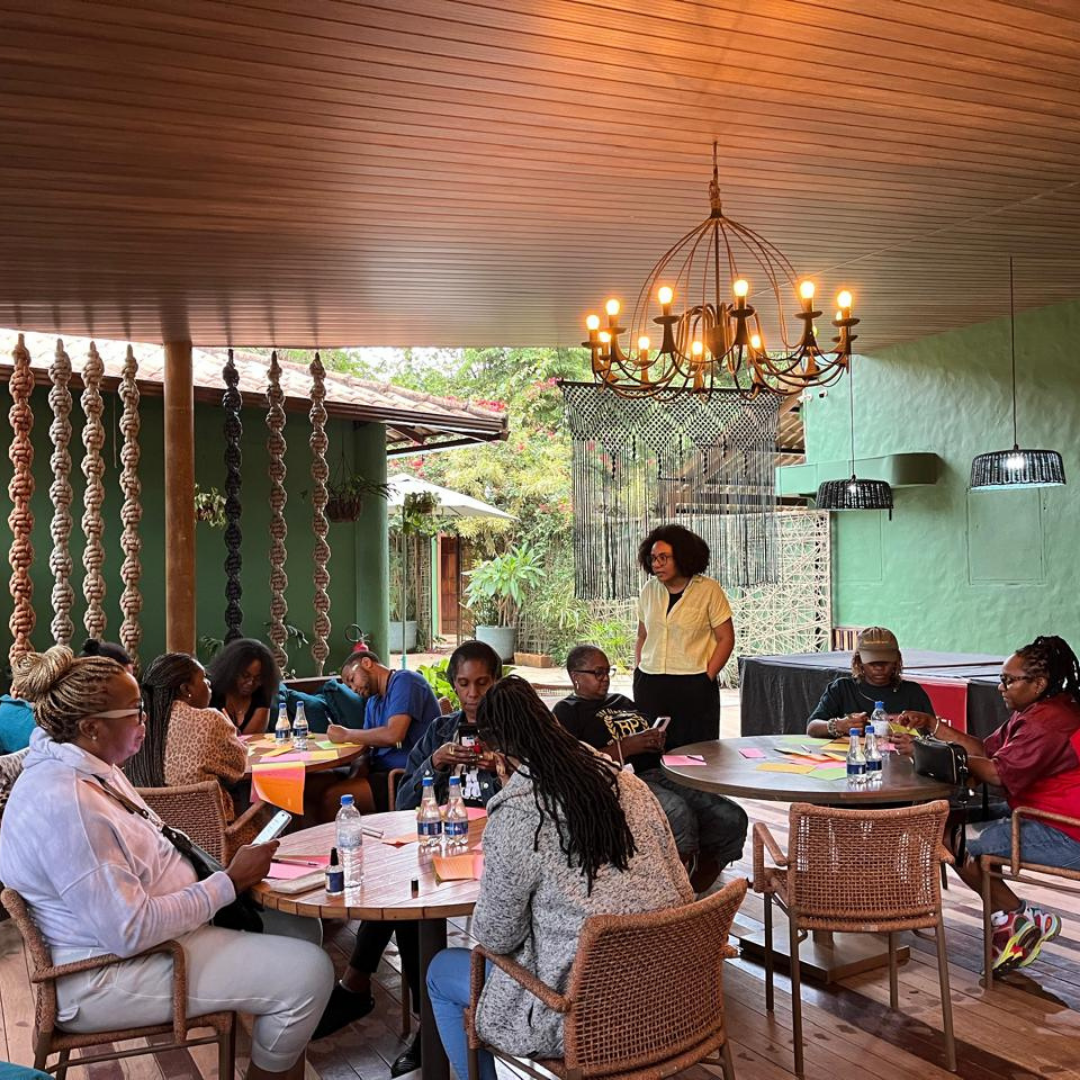
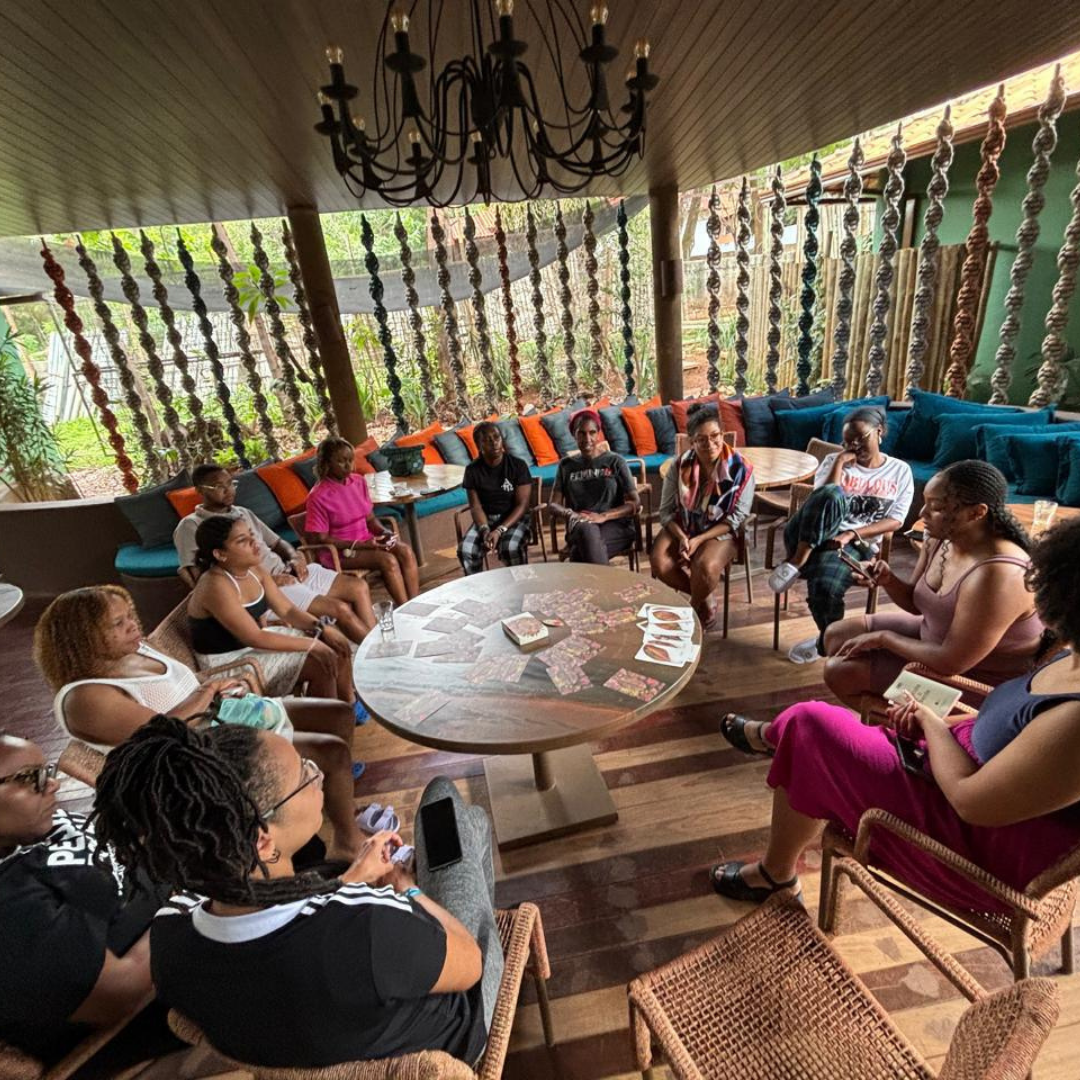
Over two days in Alto Paraíso, our delegation had the opportunity to rest, connect and reflect on leadership, solidarity, healing, and the realities of global organizing. Key insights included:
- Radical Support: Intentional community-building, accountability, and creating safe spaces for all voices.
- State Violence: Recognized globally as the most urgent threat to Black life.
- Colorism & Internal Divisions: Naming the complexity of colorism, classism, and internal stratification within Black communities.
- Same Enemy, Same Fight: A global understanding of shared systems of oppression.
- Lessons from Brazilian Organizing: Especially the decentralized march model that begins in neighborhoods and converges nationally.
- Culture & Ancestry: Music, drums, and spiritual practices created connection beyond language.
- Trauma & Leadership: Many Black women who should lead are held back by trauma and lack of support.
- The Common Struggle: Across every theme, the collective fight emerged as the grounding force for solidarity.

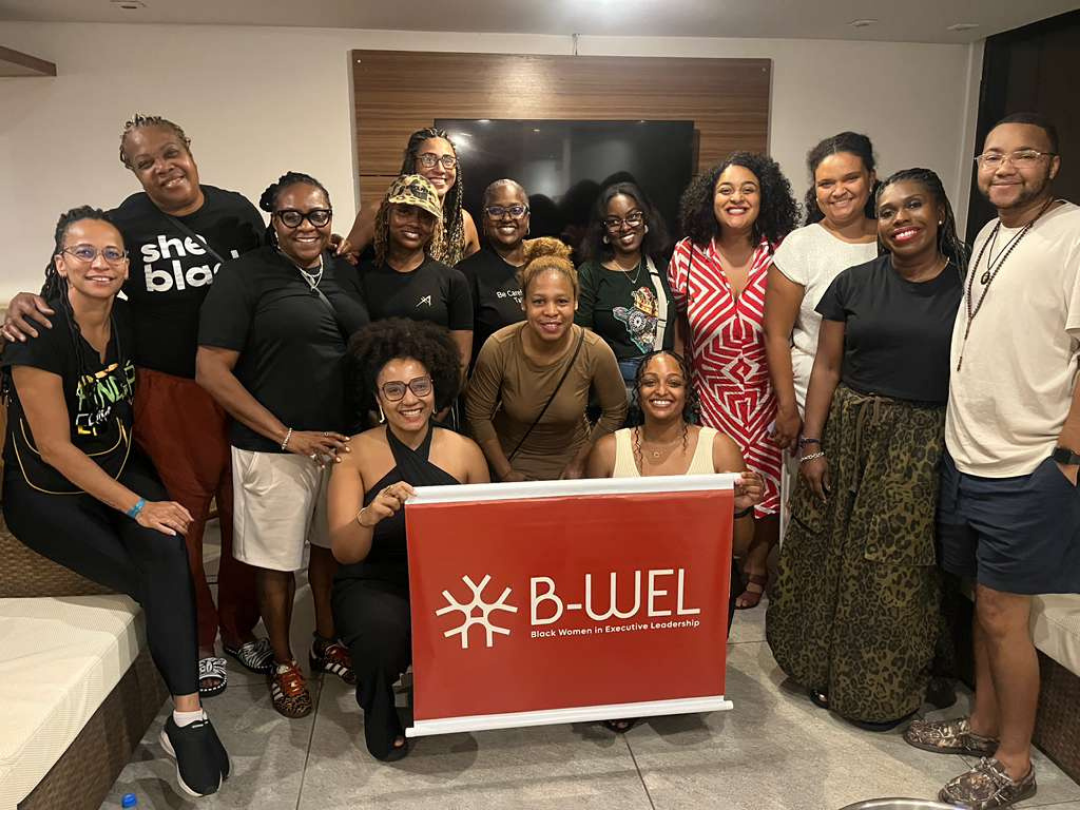
Our presence in Brazil was intentional and strategic. It deepened our commitment to global solidarity and reinforced why we exist as an organization: to build networks of Black women leaders who are resourced, supported, connected, and ready to shape the future.
We didn’t just attend a march.
We witnessed what becomes possible when Black women lead.
This is only the beginning!


